Where to Sell Jewelry in Tucson, A Local Guide to Appraisals, Exchanges, and Fast Payouts

Jewelry is more than just an accessory. For many people, it represents memories, milestones, or investments. But there comes a time when selling jewelry makes sense, whether it’s to raise quick funds, downsize a collection, or liquidate an estate. The challenge for most sellers in southern Arizona is figuring out where to sell jewelry in Tucson safely and profitably. With so many options, from pawnshops to private buyers, knowing which route offers the best value is crucial.
This guide will walk you through the process of selling jewelry locally, the pros and cons of each option, how a gold and silver exchange Tucson residents trust can help, and the steps you can take to make sure you get a fair payout.
Why Tucson Is a Strong Market for Jewelry Sales
Tucson has a unique market compared to many U.S. cities. Home to the world-famous Tucson Gem and Mineral Show, the city attracts global buyers, collectors, and enthusiasts every year. This has created a culture where jewelry and precious metals hold not only intrinsic value but also collector interest.
Additionally, Tucson has a strong community of licensed dealers who specialise in gold, silver, and fine jewelry. These businesses are regulated under Arizona state law, meaning sellers have protections when they choose the right venue. For someone looking to liquidate unwanted or unused pieces, this environment provides both opportunities and safeguards.
Options for Selling Jewelry in Tucson
When people first ask themselves where to sell jewelry in Tucson, the obvious answer is “a buyer who pays cash.” But not all buyers are equal. Below are the most common options:
1. Pawnshops
Pawnshops are fast and convenient. You walk in, get an offer, and leave with cash. However, pawnshops often focus on resale value rather than true material value. That means you may get less for items that have high gold or gemstone content but low resale demand.
2. Jewelry Stores
Some jewelry stores purchase pieces directly from customers, particularly branded or designer items. These stores may pay a premium for resale-worthy pieces but tend to be selective. Older, broken, or generic items may not fetch much.
3. Online Marketplaces
Websites and apps like eBay or Facebook Marketplace allow you to sell directly to buyers. While this can work for certain items, it also carries risks. Meeting strangers, dealing with scams, and managing shipping costs can complicate the process.
4. Private Collectors
Collectors sometimes buy directly from individuals, especially if the jewelry has historical or unique design value. However, finding and negotiating with collectors is often time-consuming.
5. Professional Gold and Silver Exchanges
This is often the most reliable option. A gold and silver exchange Tucson residents recommend will evaluate your jewelry based on purity, weight, and gemstone quality. They provide transparent pricing tied to daily market rates, and they typically pay immediately. For sellers who want a safe, straightforward process, this is often the best route.
What Influences the Value of Your Jewelry
To maximise your payout, you need to understand how buyers determine value. Key factors include:
-
Precious Metal Purity: Jewelry made of 24K, 18K, or 14K gold carries different intrinsic values. Similarly, sterling silver versus plated silver makes a huge difference.
-
Weight: Jewelry is weighed on certified scales to calculate metal value.
-
Gemstones: Diamonds, sapphires, rubies, and emeralds often add value, but only if they are genuine and well-graded.
-
Brand/Designer: Well-known brands like Tiffany & Co. or Cartier can command higher offers.
-
Condition: Intact, polished, and wearable pieces may have a premium over broken or scrap jewelry.
By knowing these basics, sellers are better prepared to evaluate offers.
How a Gold and Silver Exchange Works
When selling to a professional exchange, here’s what to expect:
-
Initial Review – The buyer inspects each item, looking for hallmarks and branding.
-
Testing – Precious metals are tested using acid tests, electronic tools, or XRF analysis. Gemstones may also be evaluated.
-
Weighing – Jewelry is weighed in front of you using a certified scale.
-
Price Calculation – The exchange calculates value based on the day’s gold and silver spot prices, adjusted for purity.
-
Offer and Payment – The buyer presents the offer, explains the calculation, and pays you immediately if you accept.
This transparent system ensures you know exactly why your jewelry is worth what it is.
Benefits of Selling Locally in Tucson
Selling locally offers several advantages over shipping jewelry to an online buyer:
-
Face-to-face interaction: You see your jewelry tested and weighed in real time.
-
No shipping risk: Avoid the chance of items being lost or under-reported in the mail.
-
Immediate payment: Walk out with cash or bank transfer the same day.
-
Local reputation: Reputable Tucson exchanges rely on community trust and word-of-mouth.
For residents who value both safety and fair payouts, local buyers remain the top choice.
How to Prepare Your Jewelry Before Selling
To ensure a smooth process, take these steps before heading to a buyer:
-
Sort by Type: Separate gold, silver, and mixed-metal jewelry.
-
Identify Hallmarks: Look for stamps like “925” for sterling or “14K” for gold.
-
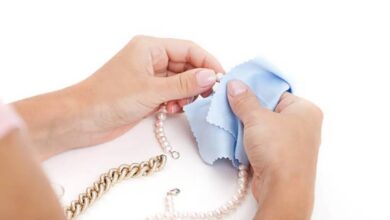
Clean Lightly: A gentle wipe is fine, but avoid harsh cleaning that could damage gemstones.
-
Gather Documentation: Bring appraisals, receipts, or certificates if available.
-
Decide Your Goal: Do you want the highest cash payout, or are you open to exchange/trade-in options?
Preparation not only speeds up the process but also signals to buyers that you know what you have.
Trading vs Selling: Which Is Right for You?
Many people don’t realise that selling isn’t the only option. A gold and silver exchange Tucson shop may allow you to trade old jewelry for new items or even bullion.
-
Selling: Best if you need cash immediately.
-
Trading: Useful if you want to upgrade or invest in bullion bars/coins.
-
Consignment: Some shops may offer to display your piece for sale, paying you once it sells.
Deciding between selling and trading depends on your financial goals.
Red Flags to Avoid When Selling Jewelry
Not every buyer operates with integrity. Here are warning signs to watch for:
-
Refusing to test or weigh jewelry in front of you.
-
Pressure tactics to sell quickly without reviewing the offer.
-
Prices that seem far below market rates.
-
Lack of proper licensing or a permanent location.
Always choose established Tucson businesses with strong reputations and clear processes.
Quick Checklist Before You Sell
✔ Check the current gold and silver spot prices.
✔ Separate genuine pieces from costume jewelry.
✔ Bring ID and supporting documents.
✔ Visit a trusted exchange or jeweler.
✔ Compare at least two offers if you’re unsure.
Where to Sell Jewelry in Tucson for the Best Experience
When searching where to sell jewelry in Tucson, your best option is to find a professional exchange that is licensed, transparent, and community-trusted. Unlike pawnshops or online listings, these exchanges provide fair payouts tied to actual market values.
If you want flexibility, consider whether a gold and silver exchange Tucson option might suit you better. Exchanges can provide both cash offers and trade-in opportunities, allowing you to reinvest in coins, bars, or other assets.
FAQs
Q. Can I sell broken or damaged jewelry?
Yes, exchanges pay based on metal content, so broken chains or mismatched earrings still have value.
Q. Do I need to show ID?
Arizona law requires sellers to present valid identification when selling precious metals or jewelry.
Q. Will I get more if I sell diamonds separately?
Sometimes. Large, certified diamonds may fetch higher prices from specialist diamond buyers. For smaller stones, the exchange may pay primarily for the gold or silver setting.
Q. How do I know if my jewelry is real gold or silver?
Check for hallmarks. Professional buyers also test items in front of you, so you can confirm authenticity.
Q. Can I get paid the same day?
Yes, reputable buyers in Tucson pay cash or bank transfer immediately after you accept the offer.
Q. Is it better to trade in or sell outright?
It depends on your goals. If you need liquidity, sell outright. If you want to reinvest, trading in for bullion or new jewelry might be smarter.
Final Thoughts
Selling jewelry doesn’t have to be stressful. With preparation, awareness of market conditions, and the right local buyer, Tucson residents can turn old or unwanted pieces into fair cash payouts or valuable new investments. Whether you’re liquidating an estate, parting with a piece you no longer wear, or simply exploring your options, a licensed exchange remains the most reliable choice.
So if you’ve been asking yourself where to sell jewelry in Tucson, start by checking the current market rates, preparing your items, and visiting a professional gold and silver exchange Tucson locals trust. The combination of transparency, security, and immediate payout makes this the best route for most sellers.