How Smart Fitness Wearables and Athleisure Fashion Influence Personal Training Success in Singapore

Why Wearables and Athleisure Matter More Than Ever in Singapore
Fitness in Singapore is no longer limited to showing up at the gym. It has evolved into a complete performance ecosystem where clothing, technology, and training strategy work together. Many clients now optimise what they wear and what they track to improve posture, comfort, movement efficiency, and performance during sessions. When someone trains at a personal training gym singapore, the combination of smart wearables and performance-driven athleisure makes every session more productive. These tools give trainers more data, enhance comfort, and allow clients to train with greater awareness of their own bodies.
Singapore’s humid weather, long office hours, and active lifestyle mean the right clothing and devices play a crucial role in fitness outcomes. Wearing the wrong gear can affect grip, mobility, breathability, and even technique. On the other hand, well-designed athleisure and modern wearables support form, track progress, and maintain comfort even in intense sessions. The fitness environment, including structured coaching practices applied in professional spaces such as TFX, pairs extremely well with smart fashion and technology that improves consistency and performance.
The Role of Smart Wearables in Personal Training
Wearables are no longer simple step counters. In Singapore’s data-driven fitness culture, they have become essential tools for tracking performance, recovery, and movement quality. Personal trainers use this information to design more accurate and effective programmes.
What modern wearables measure
-
Heart rate variability (HRV) to assess recovery
-
Training load and intensity zones
-
Resting heart rate trends
-
Sleep cycles and sleep debt
-
Calorie accuracy based on movement type
-
Breathing rhythm and stress levels
-
Movement patterns during strength or cardio work
This data helps trainers personalise session intensity, select the right conditioning intervals, and determine when clients need recovery instead of high-intensity work.
How Wearables Enhance Personal Training Outcomes
Wearables keep clients accountable and provide trainers with information they cannot gather during a single session. This makes coaching more accurate and reduces the risk of overtraining.
Benefits of integrating wearables
-
Better load management when intensity is tracked week by week
-
Improved recovery through HRV-guided training decisions
-
Greater consistency because clients can track daily habits
-
Enhanced technique when wearables detect movement inefficiencies
-
More motivation due to visible progress
-
Safer training by monitoring heart rate and exertion levels
Wearables empower clients to train smarter instead of simply training harder.
Athleisure Fashion as a Performance Tool
Athleisure is not just about style. In Singapore’s warm weather, the right clothing directly affects performance, comfort, and safety in the gym. Well-designed clothing improves breathability, allows full mobility, and supports correct technique.
Key performance-focused features of modern athleisure
-
Moisture-wicking fabrics that keep the body cool
-
Four-way stretch materials that enhance movement
-
Grip-enhanced surfaces for better lifting control
-
Compression zones to support circulation
-
Breathable mesh panels for ventilation
-
Lightweight shoes for stability and balance
Athleisure that fits properly prevents skin irritation, improves posture, and maintains comfort during long or intense training sessions.
How Clothing Influences Technique and Movement
Many people underestimate how much clothing affects how they move. Tight or poorly designed athleisure limits range of motion, reduces hip hinge quality, and even affects breathing patterns. Personal trainers often encourage clients to choose clothing that supports correct form.
How clothing affects training technique
-
Tight shoulders restrict pressing movements
-
Stiff waistbands limit core activation
-
Slippery shoes destabilise balance during lifting
-
Heavy fabrics increase heat retention and fatigue
-
Improper sports bras limit upper-body mobility
Choosing the right athleisure enhances movement efficiency and reduces injury risk.
The Importance of Grip-Optimised Shoes
Foot stability plays a major role in strength training. Shoes with proper grip and support improve performance during squats, lunges, deadlifts, and carries. Wearing running shoes for strength work often causes balance issues.
What to look for in proper gym footwear
-
Flat, stable soles
-
Firm midfoot support
-
Good grip patterns
-
Lightweight materials
-
Minimal heel lift unless required for mobility limitations
These features create a strong base for all strength and conditioning movements.
Data-Driven Fashion: The Rise of Smart Clothing
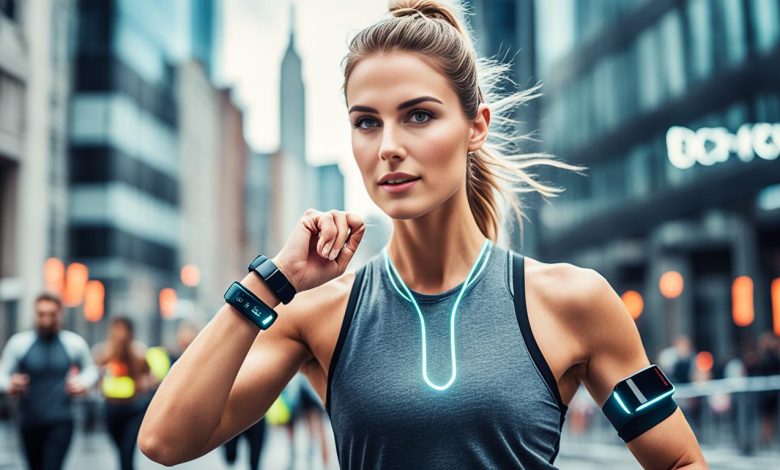
Smart clothing is becoming popular in Singapore’s fitness landscape. These garments are embedded with sensors that measure muscle activation, posture, breathing rhythm, and temperature changes during training.
How smart clothing enhances training
-
Tracks which muscles activate during each movement
-
Measures posture and alignment throughout sessions
-
Provides vibration feedback when posture breaks
-
Analyses breathing patterns
-
Monitors sweat rate, indicating hydration needs
This new generation of clothing brings lab-quality biomechanical insights to everyday training.
Personal Trainers Use Wearable Data for Precision Coaching
Data from smart wearables and clothing allows trainers to build hyper-personalised programmes. Instead of relying solely on observation, they can use tracked information to refine training blocks.
How trainers use this data
-
Adjusting rest times based on HRV
-
Tailoring strength loads based on fatigue markers
-
Modifying conditioning intervals according to heart rate zones
-
Correcting technique using motion and posture feedback
-
Planning recovery days based on sleep data
-
Preventing plateaus through trend analysis
These insights help clients achieve faster, safer, and more sustainable results.
Building a Smart Wardrobe for Training Success
A well-curated workout wardrobe helps maintain comfort, boost confidence, and support long-term training consistency. Smart athleisure is about choosing pieces that blend style and function.
Essentials for a productive wardrobe
-
Breathable tops with quick-dry technology
-
Supportive yet flexible bottoms
-
Stable gym shoes with good traction
-
Compression sleeves or tops for circulation
-
Sweat-resistant headbands or caps
-
Minimal accessories to avoid distraction
A smart wardrobe makes every gym session smoother and more enjoyable.
Why Wearables and Athleisure Improve Consistency
Comfort and awareness are two pillars of long-term fitness success. When clients feel good in their training clothes and can track their progress through wearables, they are more likely to stay consistent.
Long-term improvements
-
Better motivation from visible data
-
Enhanced comfort during training
-
Reduced risk of injuries
-
More accurate progress tracking
-
Higher confidence due to better posture and mobility
This combination supports sustainable fitness habits in Singapore’s demanding lifestyle.
FAQ
Q. Do I need expensive wearables to see benefits?
No. Even basic wearables that track heart rate, steps, and sleep can provide useful insights for training.
Q. How often should I use wearable data for my training?
Daily tracking helps maintain consistency, but trainers typically review the data weekly to adjust programmes.
Q. Can athleisure really improve my performance?
Yes. Clothing that fits well and supports mobility improves movement quality, reduces overheating, and enhances comfort during intense sessions.
Q. What type of shoes are best for strength training?
Flat, stable shoes with strong grip patterns work best for most strength-based workouts.
Q. Is smart clothing necessary?
Smart clothing is optional, but it offers advanced insights for those who want more detailed biomechanical feedback.