From Studio to Street: Choosing Fashionable Yet Functional Apparel for Hatha Yoga Classes

Fashion Meets Function in Yoga
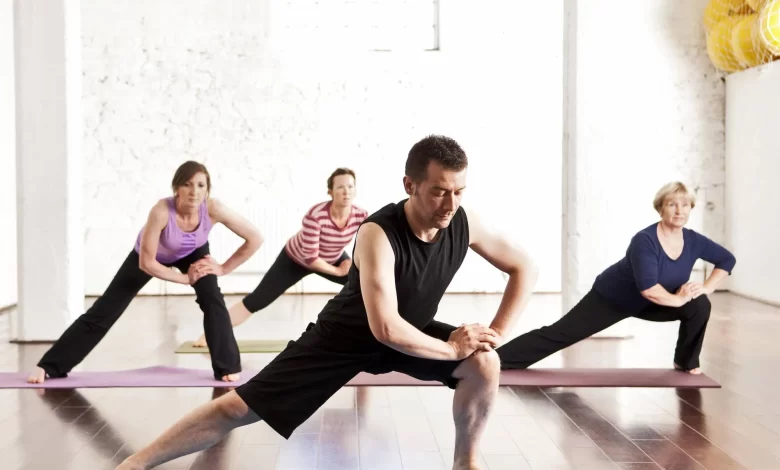
In Singapore, yoga is not just an exercise routine but also a lifestyle choice. Practitioners seek apparel that looks good, feels comfortable, and supports their movements in class. This balance is especially important in hatha yoga, where mindful breathing and controlled postures require freedom of movement without distraction. Apparel for yoga must therefore be more than fashionable, it should be functional, breathable, and versatile enough to transition from studio practice to casual outings.
Why the Right Apparel Matters for Hatha Yoga
Unlike high-intensity workouts, hatha yoga focuses on deliberate movements, balance, and posture. Clothing that restricts or slips out of place can disrupt focus and reduce the effectiveness of practice.
Comfort as the Top Priority
Loose or poorly fitted clothes can interfere with alignment, while overly tight clothing may restrict breathing. The ideal outfit strikes a balance, hugging the body enough for stability while allowing full range of motion.
Breathability for Long Sessions
Yoga apparel should be made from fabrics that absorb sweat and allow airflow. In Singapore’s humid climate, breathable materials prevent discomfort during extended practice.
Durability for Frequent Use
Since many practitioners attend classes multiple times a week, durable apparel that maintains shape and elasticity is a practical investment.
Essential Apparel for Hatha Yoga
A functional yoga wardrobe does not need to be extensive. A few carefully chosen pieces can make practice more enjoyable and effective.
Yoga Tops
-
Fitted Tanks or Tees: Prevent fabric from sliding over the face in inverted poses.
-
Breathable Materials: Cotton blends or moisture-wicking fabrics work best.
-
Support for Women: Built-in bras provide comfort and stability without layering.
Yoga Bottoms
-
Leggings: Flexible, non-restrictive, and supportive, ideal for standing poses.
-
Capris: Suitable for Singapore’s climate, offering breathability while maintaining coverage.
-
Loose Pants with Elastic Cuffs: Allow airflow while keeping fabric in place.
Additional Layers
-
Light Jackets or Wraps: Useful for warm-up stretches or after class when cooling down.
-
Scarves or Shawls: Add versatility for those who head straight to casual gatherings after class.
Accessories
-
Headbands: Keep hair out of the face.
-
Non-Slip Socks: Optional for those who prefer extra grip.
-
Yoga Mat Bags: Combine practicality with style, making it easier to carry mats while commuting.
Style Considerations: Studio to Street
One of the biggest lifestyle trends is wearing yoga apparel beyond the studio. Known as athleisure, this style allows practitioners to move from yoga class to errands or social meet-ups without needing to change.
Neutral Colours
Black, grey, and navy are versatile choices that pair easily with casual tops or jackets.
Bold Prints
Patterns and colours allow self-expression and make yoga outfits stylish enough for casual outings.
Mix and Match
A simple pair of black leggings can be paired with both athletic tops for class and oversized shirts for post-practice brunch.
How Hatha Yoga Shapes Apparel Choices
The slower pace of hatha yoga influences the kind of apparel needed compared to more dynamic practices.
-
Posture-Focused: Since poses are held longer, clothing should not bunch or dig into the skin.
-
Breath-Centred: Outfits that allow expansion of the chest and abdomen support deeper breathing.
-
Mindfulness-Oriented: Minimalist designs without excessive zips or buttons help reduce distractions.
Sustainability in Yoga Fashion
Singapore’s consumers are becoming increasingly conscious of sustainability. Eco-friendly yoga apparel made from organic cotton, bamboo, or recycled materials reflects the mindful principles of yoga. Choosing durable, high-quality pieces also reduces waste by ensuring longevity.
Shopping Tips for Singapore Practitioners
When selecting yoga apparel, consider the following factors:
-
Fit Before Fashion: Try clothes in different poses to ensure they work in practice.
-
Check Fabric Quality: Look for moisture-wicking, breathable, and stretchable fabrics.
-
Prioritise Versatility: Choose items that transition easily from class to casual wear.
-
Invest in Staples: A few high-quality essentials are better than a large number of average pieces.
Building a Capsule Yoga Wardrobe
A capsule wardrobe streamlines choices and ensures that every item is functional.
-
2–3 pairs of leggings or capris.
-
3–4 breathable tops.
-
1–2 layering items for cooler environments.
-
1 mat bag and a few simple accessories.
This approach saves time, reduces clutter, and guarantees readiness for class at any time.
Why Apparel Affects Confidence in Practice
Apparel not only affects comfort but also influences confidence. When practitioners feel good in their clothing, they are more likely to focus fully on their yoga rather than adjusting outfits mid-practice. Confidence translates to better posture, deeper breathing, and greater enjoyment of the class.
Practising in the Right Environment
While apparel is important, the environment also plays a role in enhancing practice. Studios such as Yoga Edition in Singapore provide supportive spaces where practitioners can learn and practise comfortably, combining the right apparel with professional instruction for the best results.
FAQs About Hatha Yoga Apparel
Q. Do I need to buy expensive apparel to practise hatha yoga effectively?
No. Comfort and function matter more than price. Affordable clothing can work well if it fits properly and is made from breathable materials.
Q. Can I wear regular gym clothes for hatha yoga?
Yes, but yoga-specific apparel is designed for stretches and postures, so it may feel more comfortable. Gym clothes are often suitable as long as they do not restrict movement.
Q. How often should I replace my yoga leggings or tops?
With regular practice, most high-quality apparel lasts six months to a year before showing signs of wear. Replace items when elasticity or breathability is compromised.
Q. Is barefoot practice necessary, or can I wear socks?
Most hatha yoga is practised barefoot to maintain grip and connection with the mat. However, non-slip socks can be used if preferred.
Q. What colours are best for yoga apparel?
There is no strict rule. Lighter colours create a calming effect, while darker shades are practical and versatile. The choice depends on personal style and comfort.