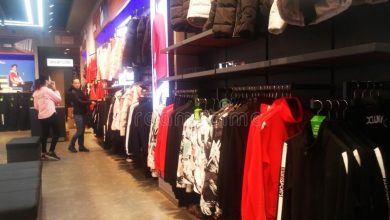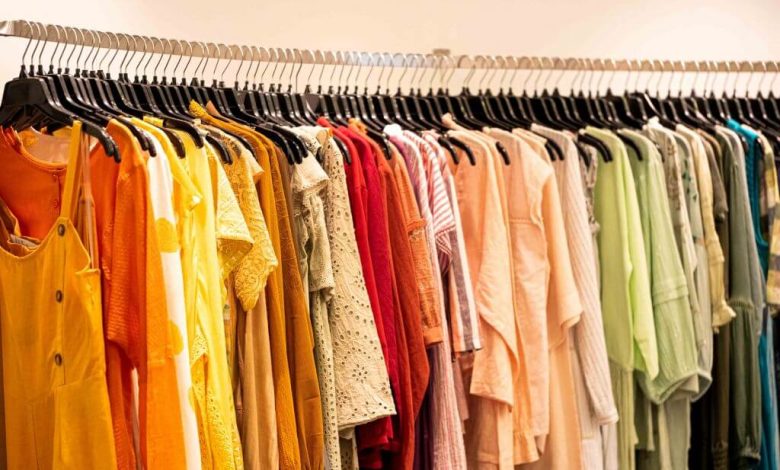
Seasonal collections are a cornerstone of fashion retail. When planned strategically, they generate excitement, increase foot traffic, and drive higher margins. However, poor forecasting or overbuying can quickly reduce profits. Successful boutique owners treat seasonal planning as a data-driven and creative process rather than a guessing game.
Understand Seasonal Demand Patterns
Every season brings predictable shifts in consumer behavior. Understanding these patterns allows you to prepare inventory in advance.
Analyze:
- Past sales data by season
- Best-selling categories (coats, dresses, knitwear, etc.)
- Regional climate variations
- Holiday-driven shopping spikes
Historical performance offers more reliable insight than trend speculation alone.
Forecast Inventory with Precision
Overstocking ties up cash, while understocking leads to missed sales opportunities.
Use these strategies:
- Review sales reports from the same season last year
- Track sell-through rates weekly
- Place smaller initial orders with quick reorders
- Allocate budget across core staples and trend pieces
Aim to balance timeless essentials with limited seasonal highlights.
Plan Collections Around Key Retail Calendars
Seasonal profitability often depends on retail events and holidays.
Important planning periods may include:
- Spring launches
- Back-to-school season
- Holiday shopping periods
- Year-end clearance sales
Aligning your collection releases with major shopping periods increases visibility and urgency.
Price Strategically for Maximum Margins
Pricing determines profitability as much as sales volume.
Consider:
- Markup percentages that cover overhead and desired profit
- Competitive pricing within your local market
- Bundled offers for higher average order value
- Gradual markdown strategies near season’s end
Avoid aggressive early discounts that reduce perceived value.
Create Strong Visual Merchandising Around the Season
Presentation enhances seasonal appeal.
Enhance impact with:
- Themed window displays
- Coordinated color palettes
- Lifestyle-focused outfit groupings
- Seasonal props and signage
When customers immediately recognize the seasonal theme, buying decisions become easier.
Leverage Marketing to Build Anticipation
A well-planned collection launch can generate excitement before products even hit the floor.
Promote through:
- Email campaigns announcing upcoming arrivals
- Social media teasers and countdowns
- Exclusive previews for loyal customers
- In-store launch events
Anticipation increases demand and can accelerate early-season sales.
Manage End-of-Season Transitions Carefully
Leftover inventory can reduce profit if not managed properly.
Reduce risk by:
- Monitoring slow-moving items early
- Bundling aging products with best-sellers
- Offering limited-time promotions
- Planning clearance sales strategically
Gradual markdowns protect margins better than drastic final reductions.
Evaluate Performance After Each Season
Post-season analysis is essential for future planning.
Review:
- Total revenue vs. forecast
- Gross margin performance
- Inventory turnover rate
- Customer feedback on styles and pricing
Document lessons learned to refine future buying decisions.
Final Thoughts
Seasonal collections offer significant profit potential when supported by planning, forecasting, and disciplined pricing. Boutique owners who rely on data, strategic marketing, and controlled inventory management position themselves for sustainable growth. Profitability is not about selling more—it is about selling smarter.
Frequently Asked Questions (FAQs)
1. How far in advance should seasonal collections be planned?
Most boutiques begin planning three to six months before the season begins to allow time for sourcing and marketing preparation.
2. What percentage of inventory should be trend-based versus classic?
Many retailers allocate around 60–70% to timeless staples and 30–40% to trend-driven pieces to reduce risk.
3. How can I reduce losses from unsold seasonal inventory?
Monitor sales weekly, introduce targeted promotions early, and consider bundling slower items with popular products.
4. Is pre-ordering a good strategy for seasonal collections?
Yes, pre-orders help gauge demand and reduce inventory risk while generating early cash flow.
5. How often should seasonal displays be updated?
Minor refreshes every two to four weeks keep the store feeling new without requiring a complete overhaul.
6. What metrics are most important for seasonal profitability?
Sell-through rate, gross margin, average transaction value, and inventory turnover are key performance indicators.
7. Should boutique owners follow global fashion calendars strictly?
Not always. Local climate, customer preferences, and regional shopping habits should guide final decisions.