Choosing the right fabric for a suit isn’t just about what looks good. A suit should feel like it belongs in your environment. A bespoke tailor in Bangkok understands that the world doesn’t wear the same fabric year-round. Someone ordering a suit for Tokyo or Toronto needs a very different build than someone planning to wear it in Thailand. The smartest tailoring choices start by understanding how your suit will behave in the weather it’s made for.
Suits Made for the Tropics
In humid climates like Bangkok, Singapore, or Manila, air circulation becomes the priority. Fabrics that trap heat quickly lose their charm once you’re walking outdoors. Tailors in these regions often recommend lightweight wool, linen, or blends that let air move through the weave. Even the internal lining changes, many jackets are half-lined or unlined to help the body breathe. These details keep the structure while stopping the heat from clinging to you.
Cold Weather Calls for Structure
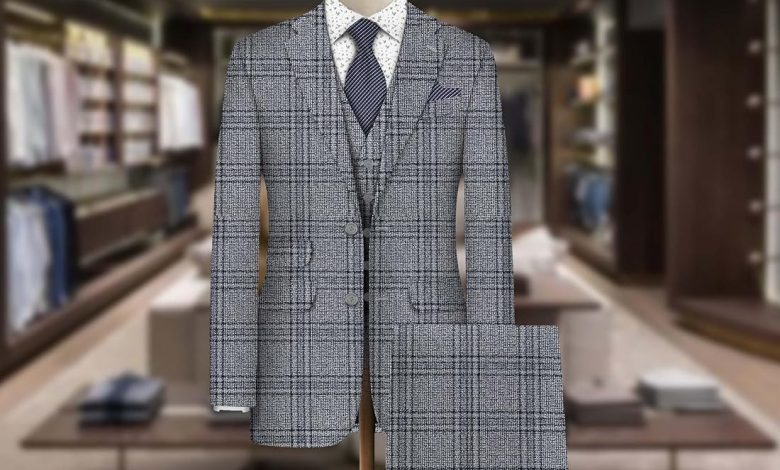
Now move that same suit to London or Berlin and the story changes. In colder weather, you want insulation and shape retention. Medium to heavy wool fabrics are the foundation of winter tailoring. Flannel, tweed, and worsted wools keep warmth in while holding a clean silhouette. They drape well, resist creasing, and layer comfortably under coats. A tailor who understands both climates will adjust not just the fabric but also the construction, a softer canvas inside for warmth, a full lining for stability, and slightly thicker shoulder padding to keep form through long seasons.
Season Changes
Some cities never settle on one temperature for long. Sydney, Seoul, or New York might shift from hot days to cool evenings within the same week. For climates like that, versatility is everything. Mid-weight tropical wools or high-twist blends balance both sides of the weather. They breathe in heat and still hold shape when the air cools down. You can wear the same suit across seasons without it feeling out of place.
Why Fabric Behavior Matters Everywhere
Humidity, dryness, and temperature all influence how fibers react. In places with dry air, pure wool performs beautifully because it resists static and wrinkles. In coastal or humid areas, natural fibers mixed with linen or silk handle moisture better. Even the color choices can shift depending on the season. Lighter tones stay comfortable under strong sun, while deeper shades bring warmth when light is low. A tailor with global experience looks at where you’ll actually wear the suit, not just how it fits today.
The Global Touch in Tailoring
Tailors who work with international clients often keep fabric books covering every condition imaginable. Someone might come in from Sweden asking for a suit that works in Bangkok meetings but still travels well for European winters. Another might live in Dubai and need something breathable yet formal. The right tailor adjusts each detail, from the lining to the weave, to balance comfort and style wherever you are.