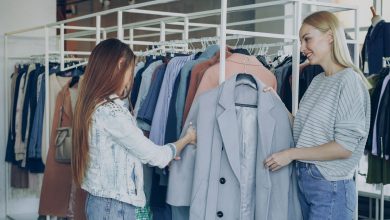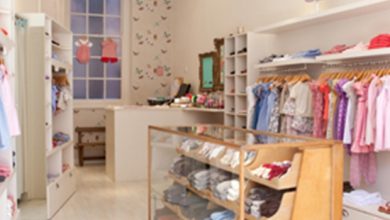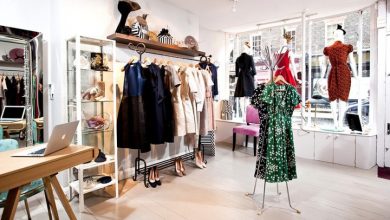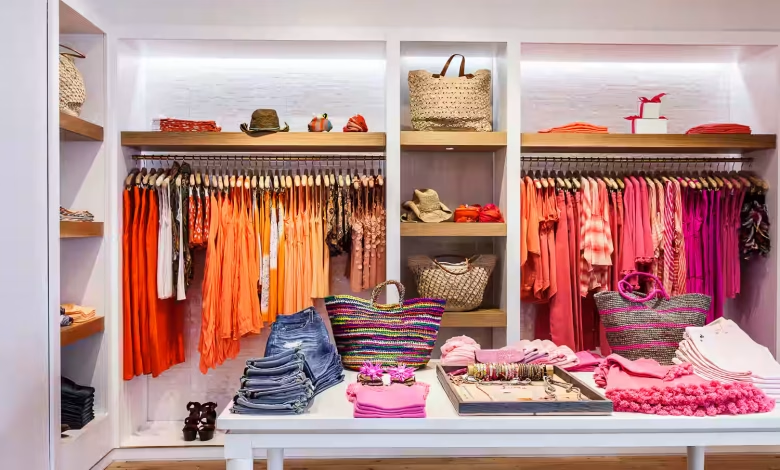
Visual merchandising is more than arranging products on shelves. It is the strategic presentation of merchandise to attract attention, guide customer flow, and increase sales. For boutique owners, strong visual merchandising builds brand identity and encourages shoppers to spend more time—and money—in your store.
Create a Strong First Impression with Window Displays
Your storefront is your silent salesperson. A compelling window display draws customers inside.
Best practices include:
- Feature new arrivals or seasonal collections
- Keep displays clean and uncluttered
- Use mannequins to show complete outfits
- Update displays every 2–4 weeks
Lighting plays a critical role. Spotlights and layered lighting can highlight textures and colors effectively.
Design a Logical Store Layout
A well-planned layout improves customer experience and encourages browsing.
Key layout strategies:
- Place high-demand or new products near the entrance
- Create clear pathways for easy navigation
- Position fitting rooms toward the back to increase exposure to merchandise
- Use focal points to guide the eye
Avoid overcrowding racks. Shoppers are more likely to browse when items are spaced comfortably.
Tell a Story Through Styling
Customers often need inspiration. Styling products together helps them visualize how pieces work as a complete look.
Storytelling techniques:
- Group items by occasion (workwear, weekend, vacation)
- Combine clothing with accessories
- Use props that reflect your brand personality
This approach increases cross-selling opportunities.
Use Color Strategically

Color influences mood and purchasing behavior.
Implementation tips:
- Arrange garments in gradient color order
- Highlight bold shades against neutral backdrops
- Keep your brand’s color palette consistent throughout the store
Color blocking can create visual impact without overwhelming customers.
Optimize Lighting for Impact
Lighting affects how products appear and how customers feel.
Focus on:
- Warm lighting for a welcoming atmosphere
- Bright, accurate lighting in fitting rooms
- Accent lighting for featured displays
Poor lighting can make even high-quality merchandise look unappealing.
Keep Displays Dynamic and Fresh
Frequent updates give customers a reason to return.
Refresh:
- Seasonal themes
- Promotional sections
- Front tables and featured racks
Even small adjustments—like repositioning accessories—can create a sense of newness.
Highlight High-Margin and Best-Selling Items
Strategic placement increases profitability.
Placement suggestions:
- Position high-margin items at eye level
- Place impulse-buy accessories near checkout
- Use signage to subtly draw attention
Eye-level placement is often referred to as “buy-level,” as it naturally captures attention.
Maintain Cleanliness and Organization
A cluttered boutique reduces perceived value.
Ensure:
- Floors and mirrors are spotless
- Racks are aligned and evenly spaced
- Sale sections remain tidy
- Inventory is replenished promptly
A well-maintained store communicates professionalism and quality.
Incorporate Sensory Elements
Visual merchandising extends beyond sight.
Consider:
- Soft background music aligned with your brand
- A subtle signature scent
- Comfortable fitting room environments
These details enhance the overall shopping experience and encourage longer visits.
Final Thoughts
Effective visual merchandising combines creativity with strategy. Boutique owners who prioritize presentation, organization, and storytelling create memorable shopping experiences. When done correctly, visual merchandising not only enhances aesthetics but also drives measurable sales growth.
Frequently Asked Questions (FAQs)
1. How often should boutique displays be updated?
Window displays should typically change every two to four weeks, while interior displays can be refreshed monthly or seasonally.
2. What is the ideal height for displaying key products?
Eye-level placement—generally between 4 and 5 feet from the ground—is most effective for attracting attention.
3. How can small boutiques maximize limited space?
Use vertical displays, wall shelving, and multi-purpose fixtures to optimize available square footage.
4. Do mannequins significantly increase sales?
Yes, mannequins help customers visualize complete outfits, which can increase multiple-item purchases.
5. What type of lighting is best for fitting rooms?
Bright, neutral lighting that accurately reflects colors helps customers make confident purchasing decisions.
6. Should sale items be placed at the front of the store?
While sales attract attention, placing them too prominently may reduce perceived brand value. Balance is key.
7. How can visual merchandising support brand identity?
Consistent colors, styling themes, and display choices reinforce brand personality and create a recognizable shopping experience.