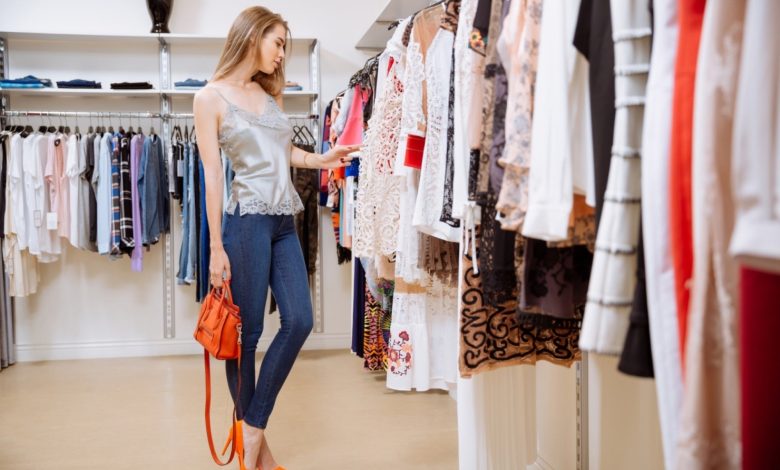
Stocking distinctive fashion pieces is what separates a memorable boutique from a forgettable one. Customers today seek originality, quality, and items that reflect personal identity. To consistently offer unique inventory, store owners must combine research, relationship-building, and strategic buying practices.
Identify Your Store’s Niche and Brand Identity
Before sourcing inventory, define what makes your store different.
Clarify:
- Target audience (age, income level, style preferences)
- Price positioning (luxury, mid-range, affordable)
- Aesthetic direction (minimalist, bohemian, edgy, sustainable)
- Core values (ethical sourcing, local designers, handmade goods)
A strong identity prevents random buying and helps you maintain a cohesive collection.
Attend Fashion Trade Shows and Markets
Trade shows provide access to emerging designers and wholesale suppliers under one roof.
Benefits include:
- Discovering upcoming trends early
- Comparing suppliers directly
- Negotiating pricing and minimum order quantities
- Building long-term partnerships
Take notes, request samples, and evaluate quality before placing large orders.
Collaborate with Independent Designers
Working with independent designers adds exclusivity to your store.
Advantages:
- Limited-edition collections
- Unique craftsmanship
- Strong storytelling opportunities
- Higher perceived value
Look for designers whose aesthetics align with your brand and discuss exclusive or small-batch arrangements.
Explore Global and Local Wholesale Markets
Wholesale markets offer variety and competitive pricing.
When sourcing:
- Inspect stitching and fabric quality
- Confirm production timelines
- Review return policies
- Understand shipping costs and duties
Avoid purchasing solely based on low price. Quality consistency builds customer trust.
Leverage Online B2B Platforms Carefully
Digital wholesale platforms expand sourcing options beyond geographic limits.
Best practices:
- Verify supplier reviews and certifications
- Request samples before bulk orders
- Communicate clearly about sizing and materials
- Check compliance with local import regulations
Maintain detailed records of supplier performance for future reference.
Consider Vintage and Upcycled Pieces
Vintage and upcycled fashion add character and sustainability appeal.
Benefits:
- One-of-a-kind inventory
- Eco-conscious branding
- Higher margins on curated finds
- Strong differentiation from competitors
Ensure items are cleaned, repaired, and accurately described before displaying them.
Build Strong Supplier Relationships
Reliable partnerships create consistent access to exclusive merchandise.
Strengthen relationships by:
- Paying invoices on time
- Communicating forecasts clearly
- Providing feedback on best-selling styles
- Placing repeat orders when successful
Suppliers are more likely to offer priority access to new collections when trust is established.
Monitor Trends Without Copying Competitors
Staying informed about trends helps guide buying decisions, but originality should remain a priority.
Research through:
- Fashion publications
- Social media trend analysis
- Customer purchase data
- Seasonal runway reports
Adapt trends to fit your brand rather than replicating what neighboring stores carry.
Test Small Before Scaling
Instead of committing to large quantities, start with limited runs.
Advantages:
- Reduced inventory risk
- Ability to test customer response
- Easier cash flow management
Track sales performance carefully and reorder proven winners.
Final Thoughts
Sourcing unique fashion pieces requires intentional strategy rather than impulse buying. By defining your niche, cultivating supplier relationships, exploring diverse markets, and maintaining quality standards, you can curate a collection that feels distinctive and valuable. Originality, consistency, and thoughtful purchasing decisions are key to building long-term success.
Frequently Asked Questions (FAQs)
1. How do I negotiate minimum order quantities with suppliers?
Start by expressing long-term partnership interest and request smaller trial orders before committing to higher volumes.
2. What documents are required when importing clothing internationally?
Typically, invoices, packing lists, customs declarations, and import permits are required. Regulations vary by country.
3. How can I verify a supplier’s credibility?
Check business licenses, request references, review customer feedback, and order product samples before large purchases.
4. Should I prioritize exclusivity or affordability?
Balance both. Exclusive items attract attention, while affordable staples ensure steady sales.
5. How often should I refresh my store’s inventory?
Most boutiques update collections seasonally, with smaller monthly additions to maintain customer interest.
6. What risks should I consider when sourcing overseas?
Potential risks include shipping delays, inconsistent quality, communication barriers, and customs fees.
7. How can I predict which items will sell best?
Analyze past sales data, track customer feedback, and monitor trend forecasts while staying aligned with your brand identity.